
Independent Studies on our technology
All studies showcase either the efficacy of Peracetic Acid (PAA — used at the core of our vapor treatment process), the application of the PAA via dry fog, or both together.
-
 Lab report
Element Materials: Test to disinfect Trichophyton interdigitale fungi
Test to see how the dry fog reduces Trichophyton interdigitale fungi one of the more anti-fungus resistant strains.
No Growth of Trichophyton interdigitale was observed in any of the 22 carriers tested after exposure to the fog. All control results, including purity, viability, organic soil load sterility, and carrier sterility, confirmed the validity of the study.
No growthin any of the 22 carriers tested
Element Materials
Read PaperAccess the full paper in context -
 Lab report
Element Materials: Test to eliminate Aspergillus niger on and through porous surfaces
Examining the effectiveness of the Pure Maintenance device, in achieving fungicidal disinfection on soft surfaces.
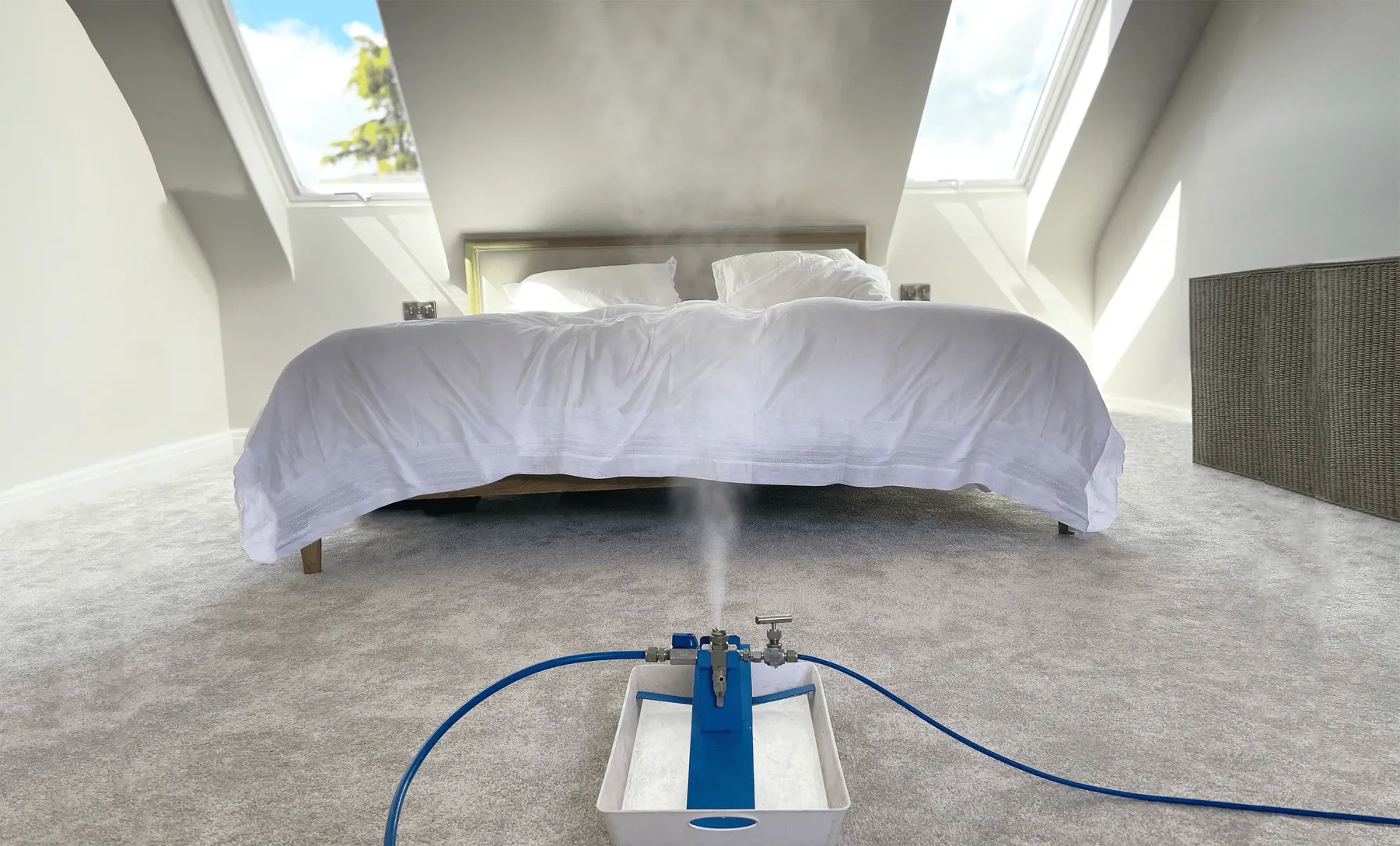
Our vapor system was tested in a controlled environment by spreading mold spores onto fabric swatches and placing them around the room. Our vapor system released the disinfectant, and after a 15-minute application and 45-minute waiting period, the treated samples were checked for mold growth. Results: Both test runs showed no mold growth on any of the treated surfaces, meaning the disinfectant effectively eliminated Aspergillus niger through 5 layers of cotton. The study followed EPA guidelines, ensuring reliable and standardized testing.
No mold growthon any of the treated surfaces, through 5 layers of cotton
Element Materials
Read PaperAccess the full paper in context -
 Published paper
Fogging With Peracetic Acid in Schools and Kindergartens.
This paper explores the efficacy of peracetic acid's fungicidal and biocidal properties when fogged in a school environment.
Results: Our dry fog system lowered bacteria and fungal spores on walls, tables, chairs, and doors. Notably, PAA fogging was 100% effective in eliminating mold spores like Aspergillus niger, which can be harmful to respiratory health.
100%effective in eliminating mold spores like Aspergillus niger
PubMed
Read PaperAccess the full paper in context -
 Published paper
Dry Fogging Proves itself in High-Contamination labs
A Canadian study showed that our system completely inactivated bacteria, viruses, and spores, including Bacillus atrophaeus, even under challenging conditions. It also eliminated visible mold in a walk-in cooler and reduced airborne spores to zero. Importantly, repeated exposures caused no damage to electronic equipment, proving the method both effective and safe.
-
 Published paper
Scalable in-hospital Decontamination of N95 Filtering Face-piece Respirators
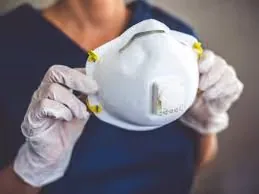
Researchers tested our system to disinfect large batches of N95 masks during the COVID-19 pandemic. The process achieved a ≥6-log reduction of resistant spores and viruses in just over an hour, while preserving mask fit, filtration, and strap elasticity through five reuse cycles. No harmful chemical off-gassing was detected after short drying times, making the method safe and scalable for hospitals.
≥6-logreduction of resistant spores and viruses in just over an hour
PubMed Central
Read PaperAccess the full paper in context -
 Independent study
US Army Corps of Engineers Independent Study
A test by the Army Corps of Engineers demonstrating the effectiveness of Pure Maintenance's vapor mold remediation.
Results
Bldg. 2261: Air sampling showed a 95.21% reduction in total mold spores 6 months after treatment, despite an increase in outdoor mold spore count by 3,120% during the same period. Surface sampling revealed no detectable mold on surfaces after treatment.
Bldg. 6733: Air sampling indicated a 99.45% reduction in total mold spores after 6 months, while outdoor spore levels increased by 545.2%. Surface sampling showed minimal mold regrowth, with continued low spore counts.
Bldg. 226195.21%reduction in total mold spores; outdoor mold spore count +3,120%Bldg. 673399.45%reduction in total mold spores; outdoor spore levels +545.2% -
 Published paper
Dry Fogging Wipes out SARS-CoV-2 on all surfaces tested
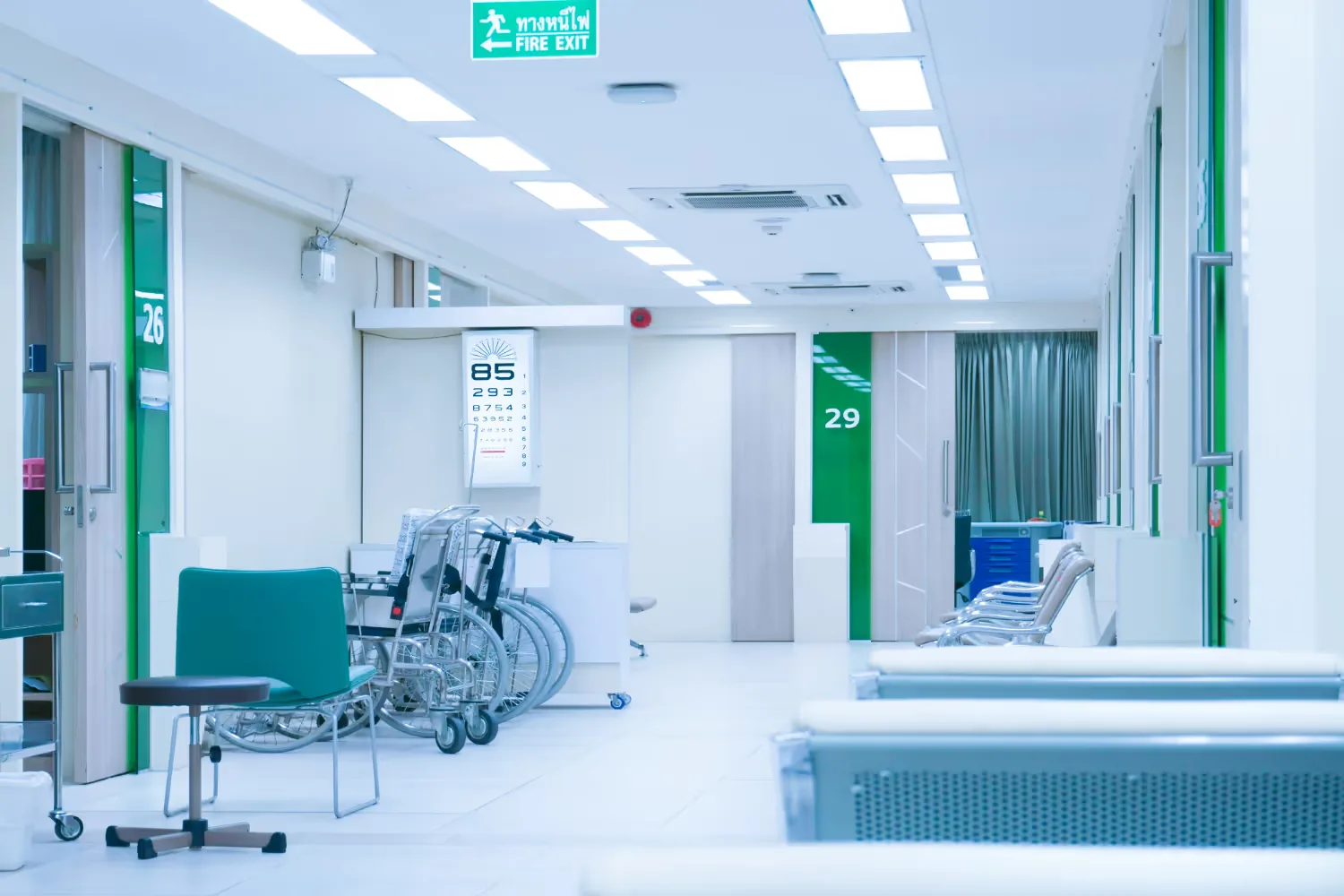
In this study, surfaces in two rooms and nine common healthcare materials (e.g. stainless steel, wood, vinyl, plastic, etc.) were experimentally contaminated with high loads of SARS-CoV-2, then exposed for 1 hour to peracetic acid dry fogging. After treatment, no infectious virus was recovered from any of the surfaces, compared to high levels in untreated control surfaces. The authors conclude PAA dry fogging is simple, cost-effective, and especially useful for hard-to-reach or sensitive surfaces in healthcare environments.
No infectious viruswas recovered from any of the surfaces
PubMed
Read PaperAccess the full paper in context -
 Lab report
Element Materials: Test on Staph Bacteria
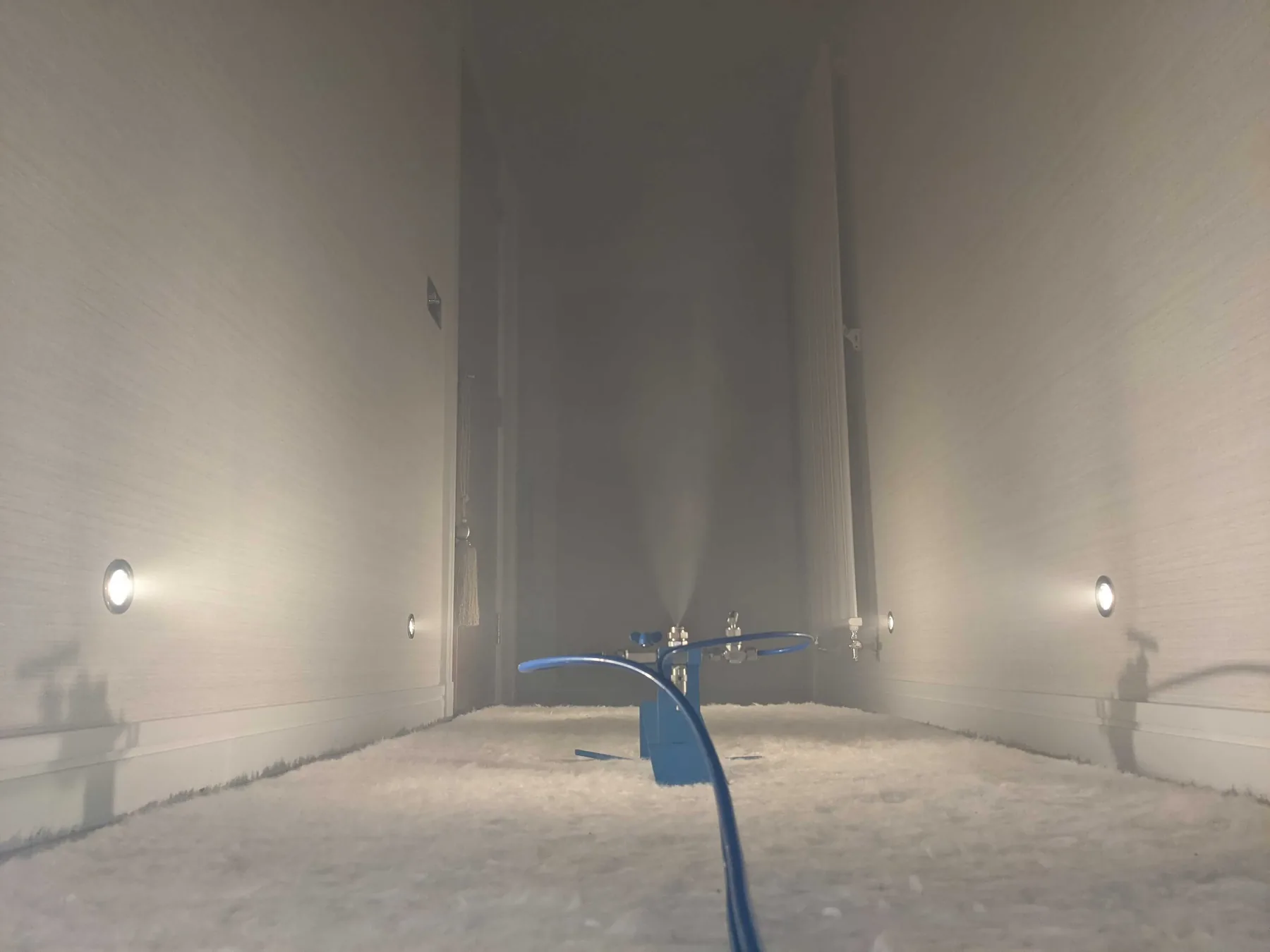
Proof that our vapor system reduces Staphylococcus aureus bacteria-aka staph. One of the hardest to kill bacteria out there.
Results: 4.99 log reduction in bacterial concentration at 10 minutes, meaning a significant 99.99% reduction in Staphylococcus aureus within the first 10 minutes. After 30 and 45 minutes, there was no detectable growth of Staphylococcus aureus (below the detection limit), confirming the product’s sustained efficacy over time.
99.99%reduction in Staphylococcus aureus within the first 10 minutes
Element Materials
Read PaperAccess the full paper in context -
 Lab report
Element Materials: Test to eliminate Aspergillus niger on hard surfaces
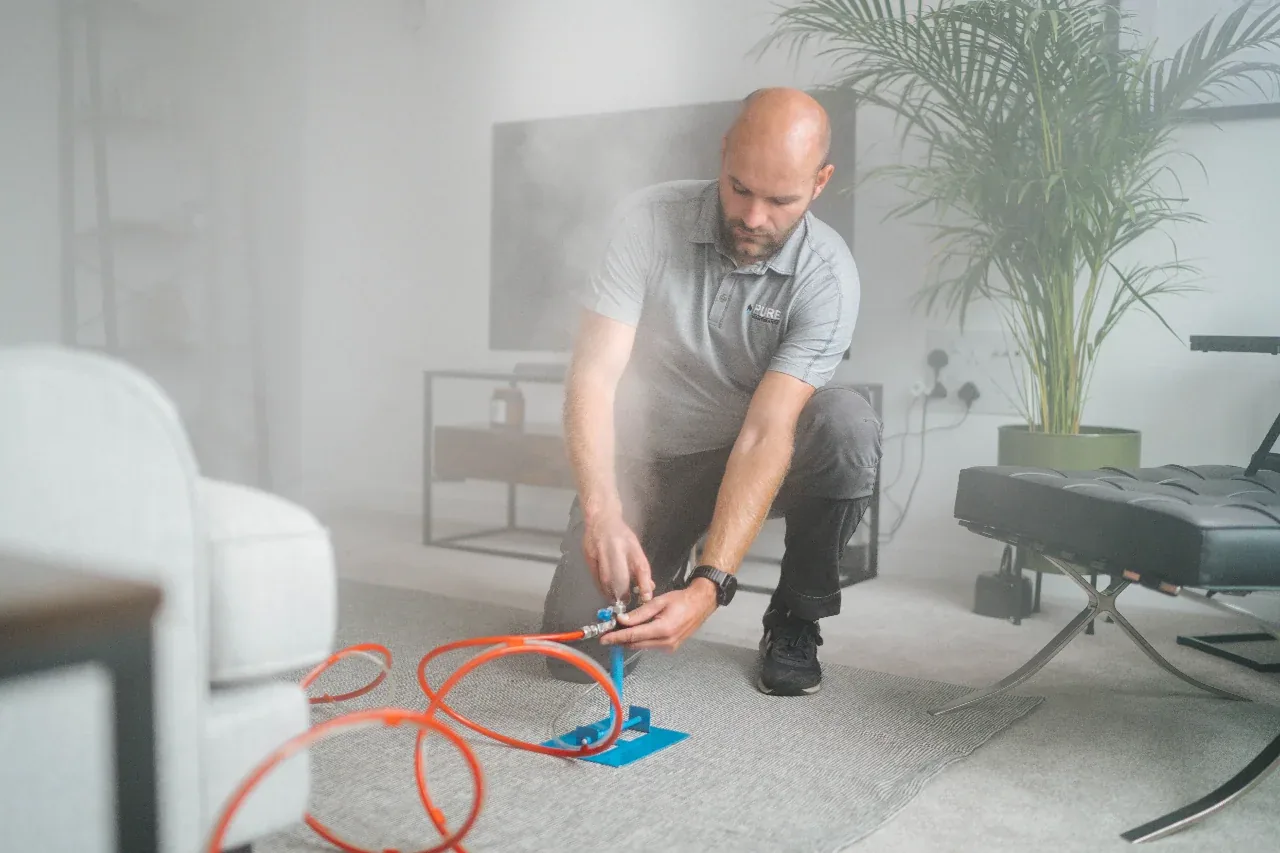
Examining the effectiveness of the Pure Maintenance device, in achieving fungicidal disinfection on hard, non-porous surfaces.
Our vapor system released the disinfectant, and after a 15-minute application and 45-minute waiting period, the treated samples were checked for mold growth. Results: Both test runs showed no mold growth on any of the treated surfaces, meaning the disinfectant effectively eliminated Aspergillus niger. The study followed EPA guidelines, ensuring reliable and standardized testing.
No mold growthon any of the treated surfaces
Element Materials
Read PaperAccess the full paper in context -
 Lab report
Element Materials: Removal of Cladosporium cladosporioides mold
Test to see how our system removes Cladosporium cladosporioides- one of the most common strains of mold in the world.
After 10 minutes of exposure, there was a 3.54 log reduction (approximately 99.97%) in airborne Cladosporium cladosporioides spores compared to the baseline. No fungal spores were recovered after 10 minutes, with continued suppression over the next 30 and 45 minutes. Control results, including purity, sterility, and background contamination checks, confirmed the validity of the study.
99.97%a 3.54 log reduction in airborne Cladosporium cladosporioides spores after 10 minutes of exposure
Element Materials
Read PaperAccess the full paper in context