When You Need Professional Mould Cleaning
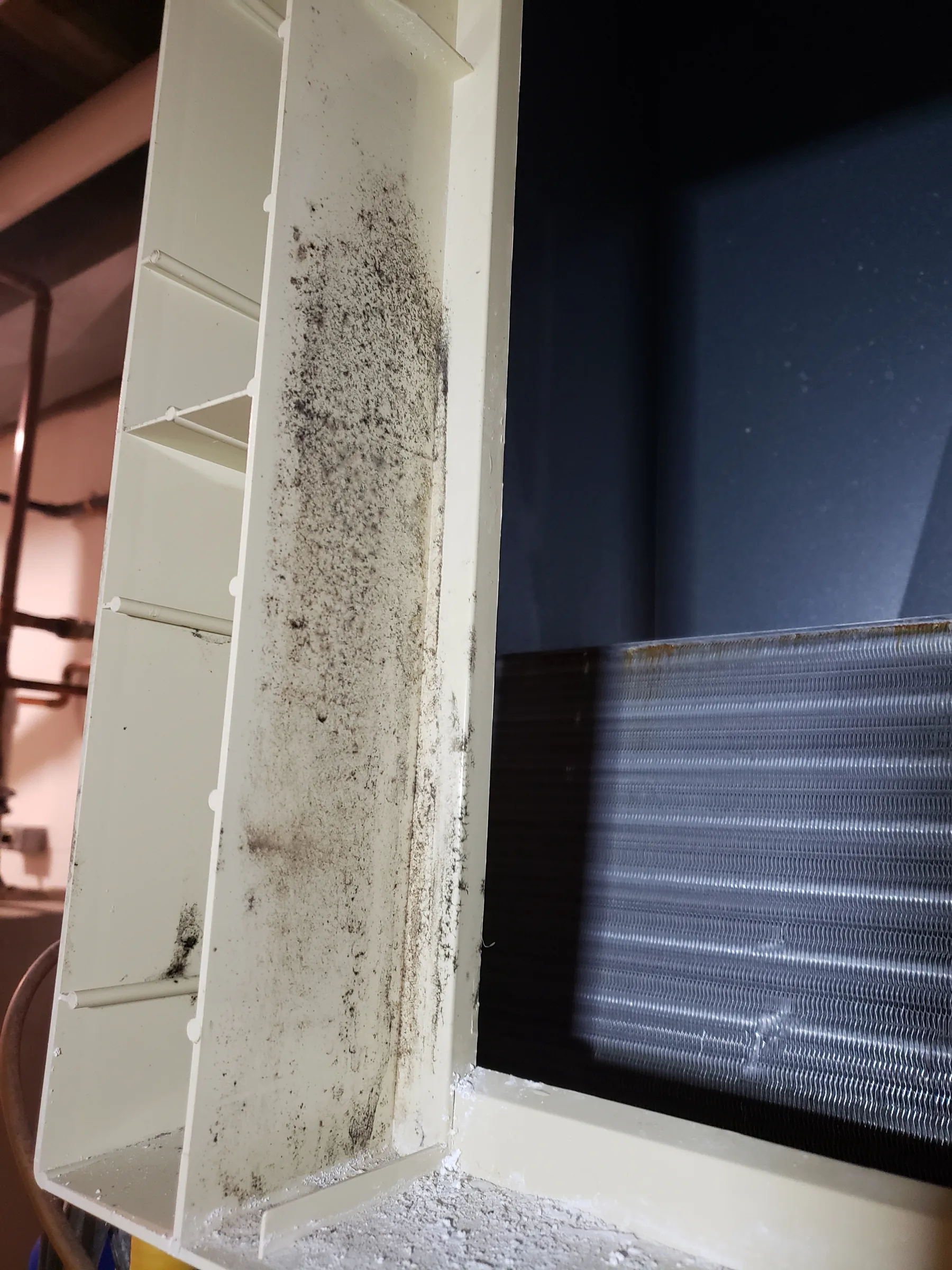
The biggest sign is mould that keeps coming back to the same spot after you clean it. That means the growth underneath was never touched, or there's a moisture source still feeding it below the surface. You also need help when the patch is bigger than a few square feet, when it's on drywall, ceiling tiles, carpet, or wood, or when you can smell that damp, musty odor but can't pin down where it's coming from. Madison makes this worse. Winters here drive warm indoor air into cold wall cavities, where it condenses against the framing, and ice dams on the eaves push meltwater back up under the shingles into attics and upper walls. Then spring snowmelt soaks into basement walls for weeks. Summers aren't any kinder. Dew points sit in the 70s for long stretches of July and August, and most homes around the isthmus have full basements on heavy clay, often within a few blocks of Mendota or Monona, so the water table is already close. Mould loves the quiet spots: basement corners, crawl spaces, attic decking above a bathroom, the back of a closet on a north-facing exterior wall. If you keep cleaning the same corner, what you can see is almost never the full picture, and waiting usually costs more than acting now.