When you need basement mold removal
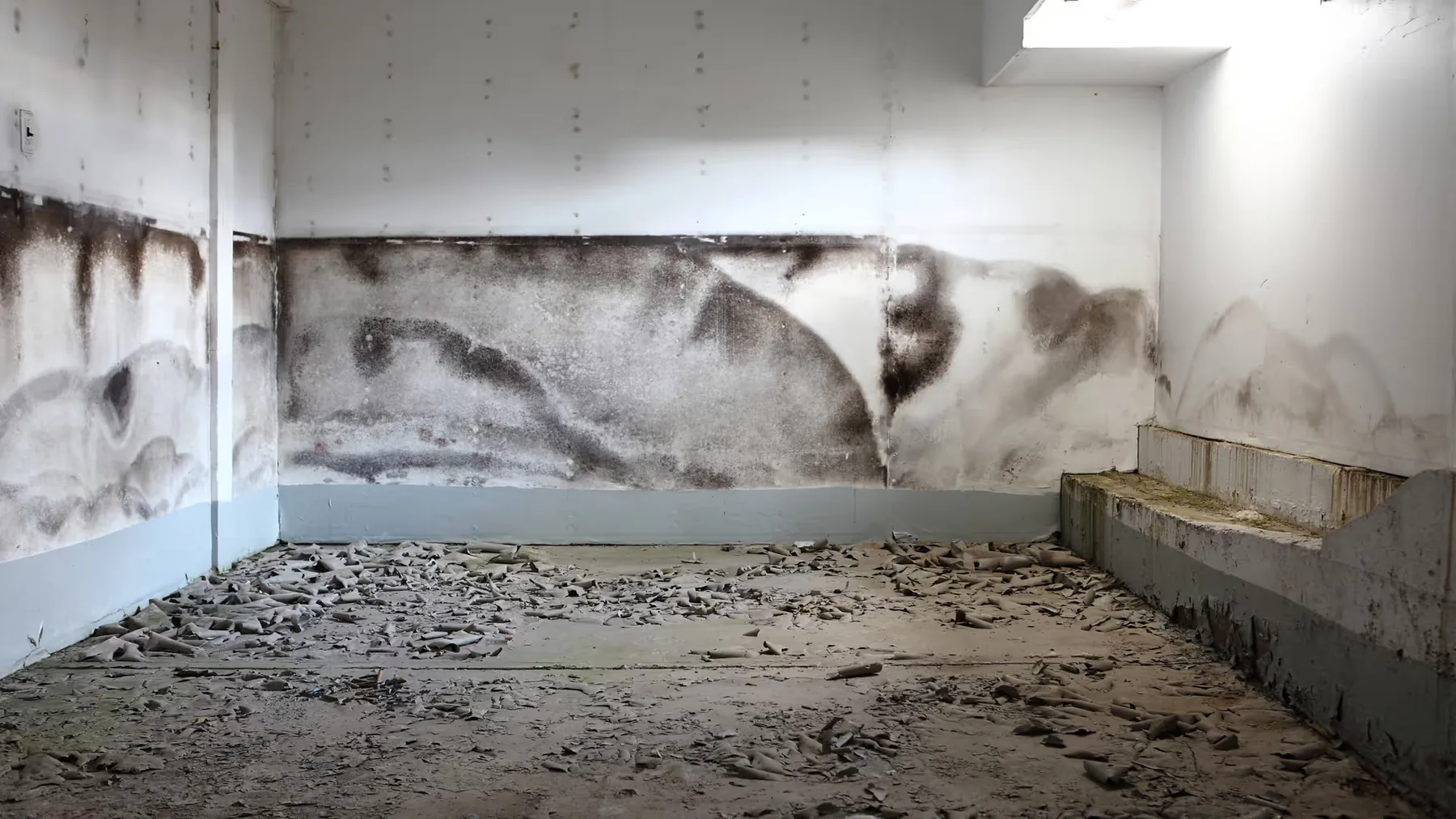
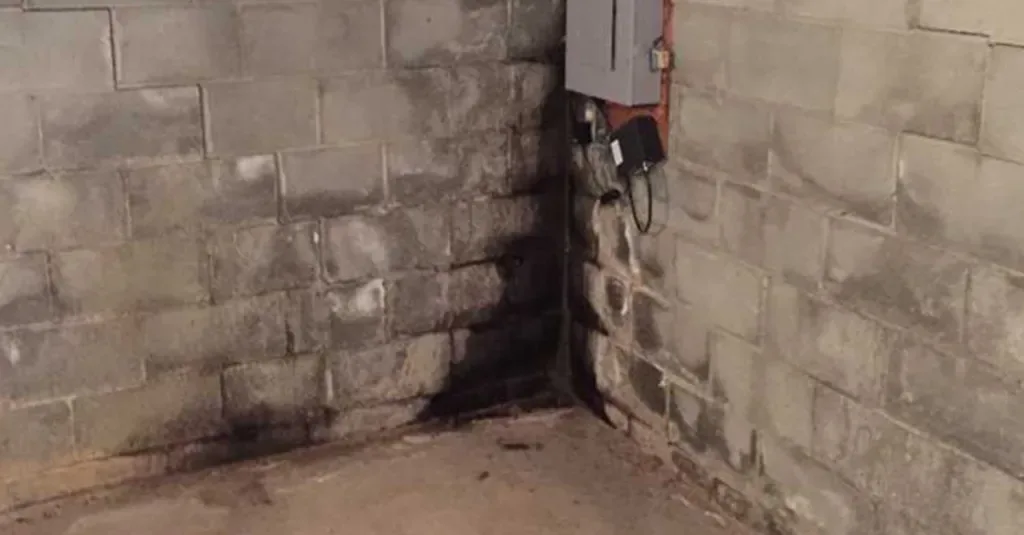
Visible fuzz on the walls, floor, or ceiling joists is the obvious sign. The trickier ones are the musty smell that hits you harder after the basement's been closed up, white crusty deposits on concrete (that's moisture pushing through from outside), condensation on pipes or windows, and any history of water coming in, even a small amount. Mold loves to hide behind finished walls, under carpet padding, and inside boxes of stuff you haven't touched in years.
Madison sits on an isthmus between Lake Mendota and Lake Monona, and the water table around here is already high before anything else factors in. Spring snowmelt saturates the ground, summer thunderstorms dump two or three inches at a time, and the freeze-thaw cycle through winter keeps opening up hairline cracks in foundations. That combination is rough on basements. Older homes around Madison, especially in neighborhoods like University Heights, Maple Bluff, and Tenney-Lapham, often have stone or older poured-concrete foundations that let moisture seep in year-round. If you're noticing any of this, mold is already working on it, and waiting only gives it more time to spread into the rest of the house.